My Bag
You have no items in your cart.


Drawer menu


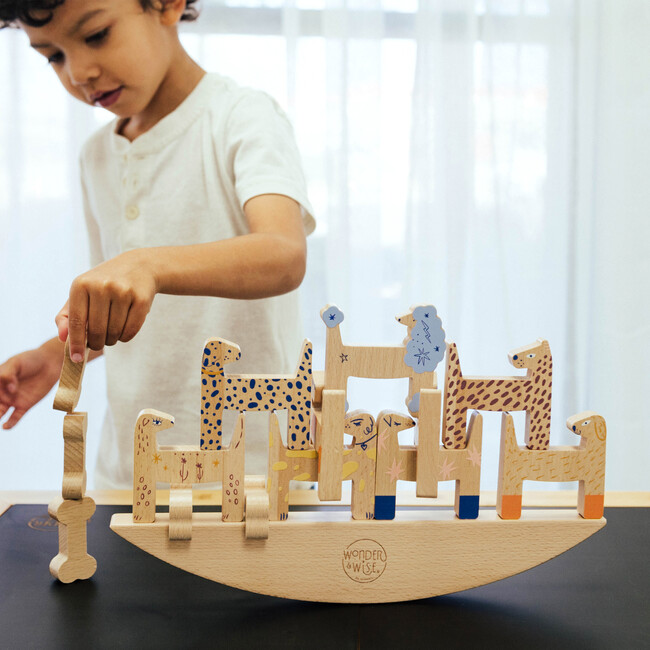
As a parent, you want to support your child's brain development from a young age. Cognitive activities for toddlers can help with everything from listening skills and teamwork to motor skills and attention span. Yes, kids between the ages of 1 and 3 are still learning to talk (and maybe even walk), but their brains are constantly taking in new information. Though your child's brain will naturally develop by simply absorbing the world around them, you can support their development with little games and activities.
Cognitive development in children starts before they're able to form words and toddle around. During the toddler years, a child's brain is rapidly forming and their thinking skills, language, problem-solving, and communication abilities are progressing every day.
If you're the parent of a toddler or spend lots of time with one, you'll see they seem to take in new words daily. By 18 months, a toddler absorbs up to six new words each day, and language really takes off around their second birthday.
It's not just language, though. Cognitive development is how young children make sense of the physical world, explore ideas, learn about cause and effect, interact with others, and get creative.
Many engaging activities and learning-based toys can help toddlers' mental development. We'll explore some of these below.
Here are a handful of cognitive development activities you can try with your toddler:
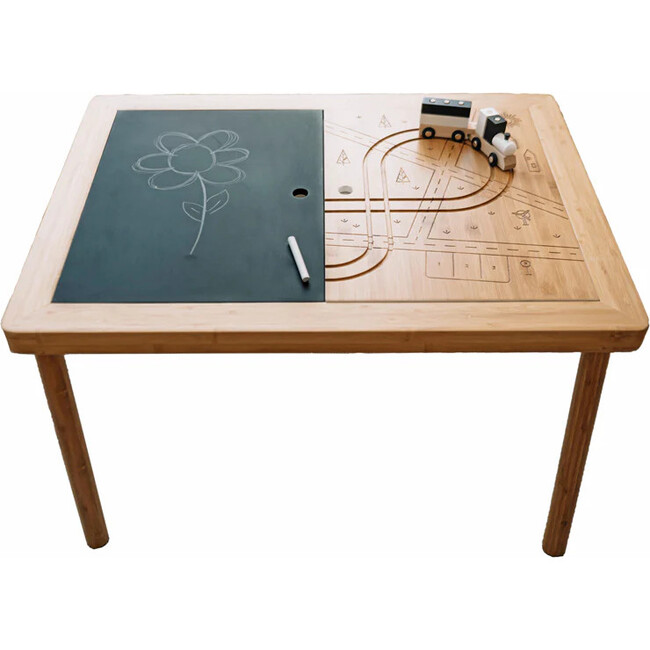
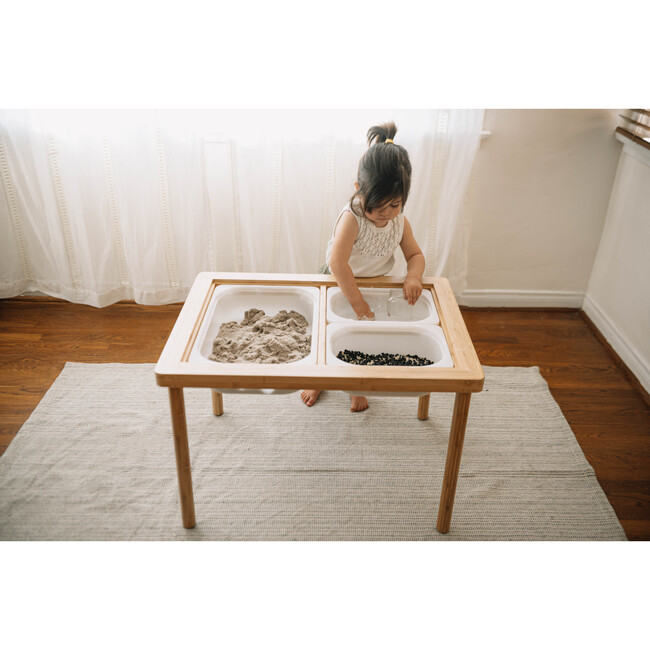
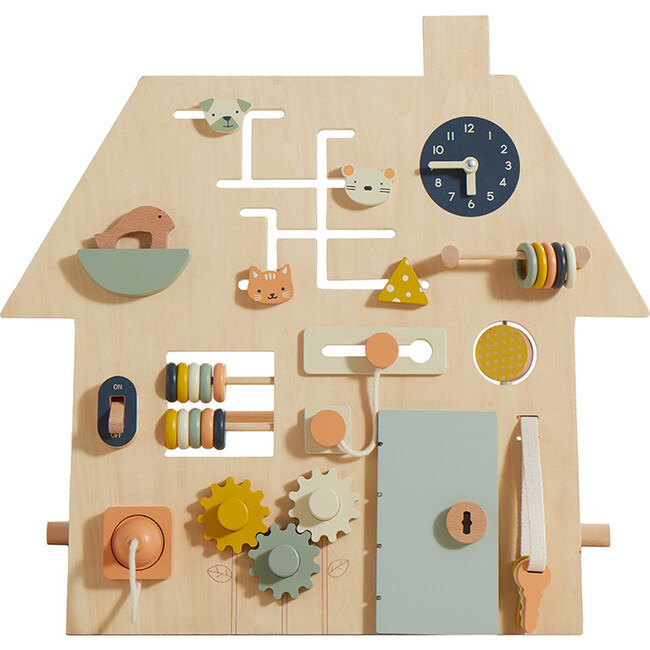
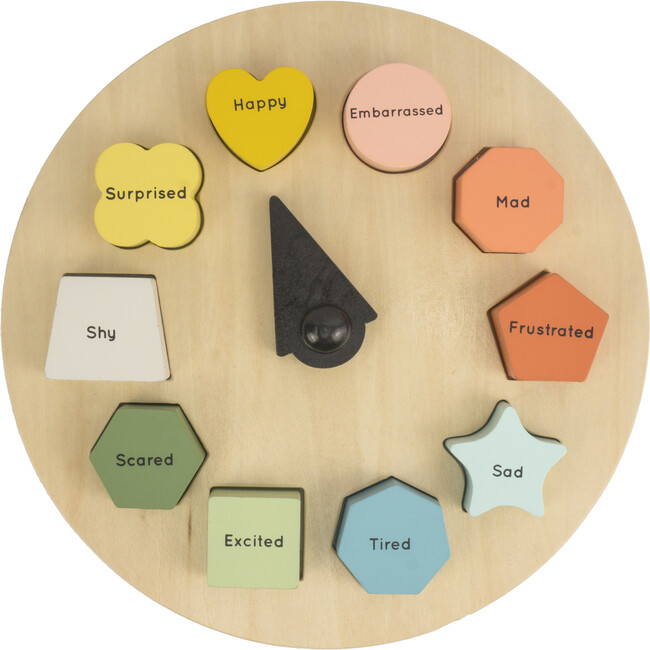
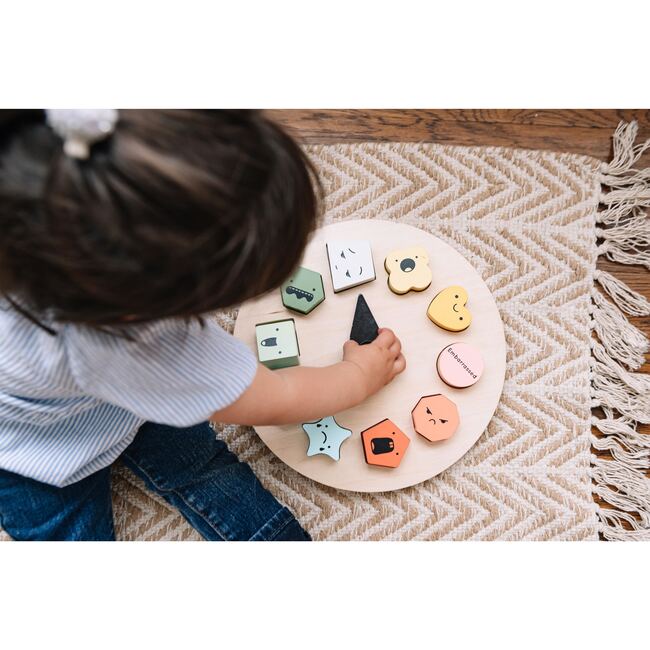
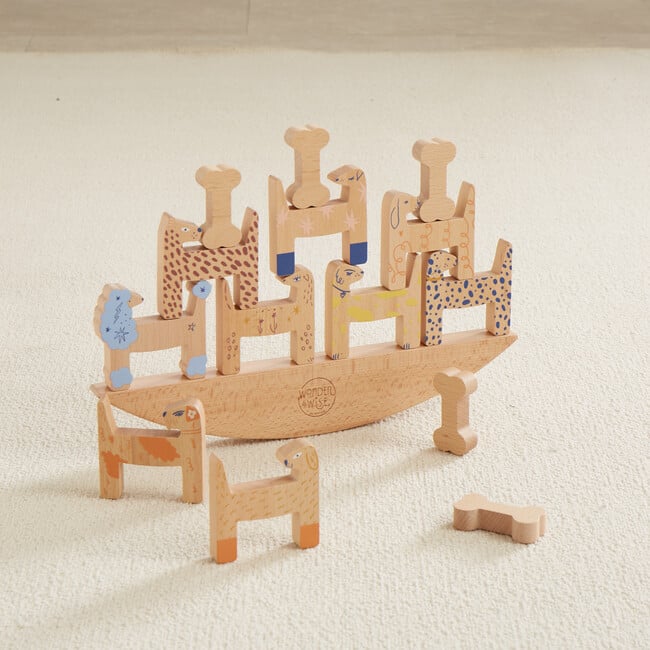
Maisonette has a thoughtfully curated selection of toys and play sets that promote cognitive development in toddlers.
For children between 1 and 2, blocks, stuffed animals, dolls, sensory toys, and pop-up board books are excellent choices. The Dappy Puppy from Educating Amy is one of our favorites for this stage.
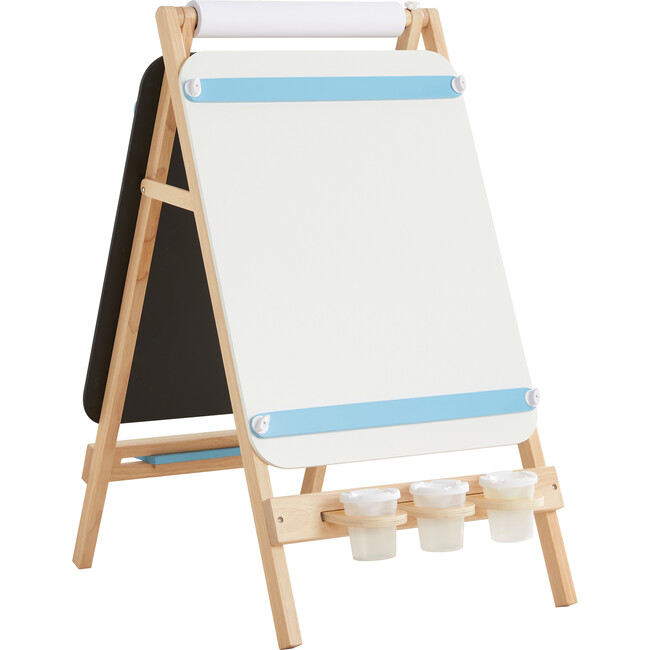
Toddlers up to 3 years old can do more building, creative, and artistic activities. The Follies Build & Draw and January Moon Build Your Own Sensory Necklace sets are perfect for this age.
With the right tools and ideas, you can support your growing child's brain development and help them thrive at every stage.
Simple daily actions like talking to your child, asking questions, reading to them, and pointing out colors in the world can help them make sense of their surroundings and build their speaking skills.
Understanding infant developmental milestones and activities like "What is pretend play?" and "What is cooperative play?" can also guide you in fostering their growth.
Toys and activity kits can also go a long way. Explore our mom-approved, cognitive-building toys and sets to see what's available.

Sources
Neumann D, Peterson ER, et al. (2021). The development of cognitive functioning indices in early childhood. Cognitive Development. doi.org/10.1016/j.cogdev.2021.101098
Harvard University Center on the Developing Child. (n.d.). InBrief: The Science of Early Childhood Development.
Wang L, Chen Y, et al. (2021). Trajectories of child cognitive development during ages 0–3 in rural Western China: prevalence, risk factors and links to preschool-age cognition. BMC Pediatrics 21, 199 doi.org/10.1186/s12887-021-02650-y
Brady KW and Goodman JC. (2014). The Type, but Not the Amount, of Information Available Influences Toddlers' Fast Mapping and Retention of New Words. American Journal of Speech-Language Pathology. doi.org/10.1044/2013_AJSLP-13-0013
Fernald A and Marchman VA. (2012). Individual differences in lexical processing at 18 months predict vocabulary growth in typically developing and late-talking toddlers. Child development, 83(1), 203–222. doi.org/10.1111/j.1467-8624.2011.01692.x


